Specialized in the sale of robotic products! educational robots, toy robots, connected objects
robotics
When you choose to start the adventure of robotics teaching, whether at school or at home, you must choose one of the many media available on the market. In 2019, there are at least a dozen different solutions that could be of interest to a robotics professor and it is important to think carefully about this choice. Over time, it will be more interesting to evolve on the same solution than to replace it with a new one.
Are you a school or a company looking for robotic solutions? Robot Advance has been distributing robotic solutions in France and Europe for more than 10 years. Contact us directly at contact@robot-advance.com or +33 (0)4 37 47 47 91 45 for any request for a quote or information.
Choose your educational robotics system
The most important factor influencing the decision to purchase your educational robotics platform is certainly the cost of the entire solution with the software and complementary elements.
In schools and NGOs, which actually operate with limited financial resources, this price factor will be the main consideration. It is on this particular point that the launch of the programming and robotics courses will depend.
In private companies, the cost of purchasing and upgrading a robotics solution will always be an important but not the most important element. The most important elements will be here:
- The quality /price ratio of the robotic solution
- The potential and attractiveness for the people or services that will use this solution
Cost and evolution of a robotic solution
Another factor influencing the choice of a system for robotics education is the possibility of its evolution and the cost of that evolution. Robotics education systems can be divided into closed systems and self-assembly systems.
Closed systems are those in which the educational robot is already built and it is not possible to modify it. In these systems, most components must be purchased from the robot manufacturer. These robotic solutions include Ozobot, mBot, Sphero, Thymio and Dash and Dot. These are more suitable systems for young children and for time-limited lessons (e.g. 45 minutes at school).
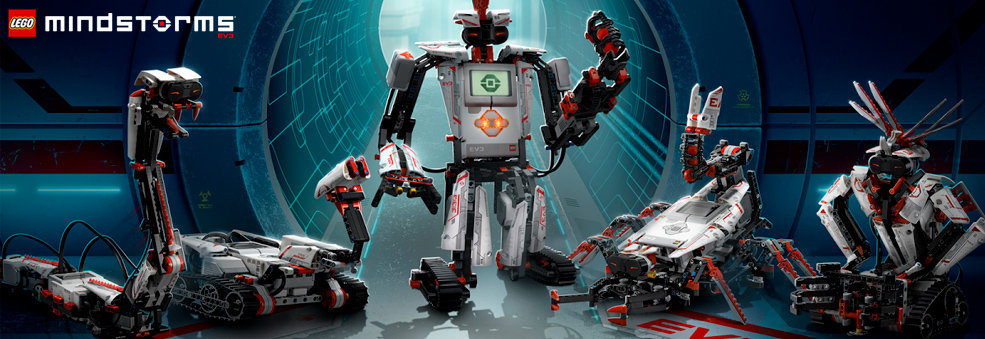
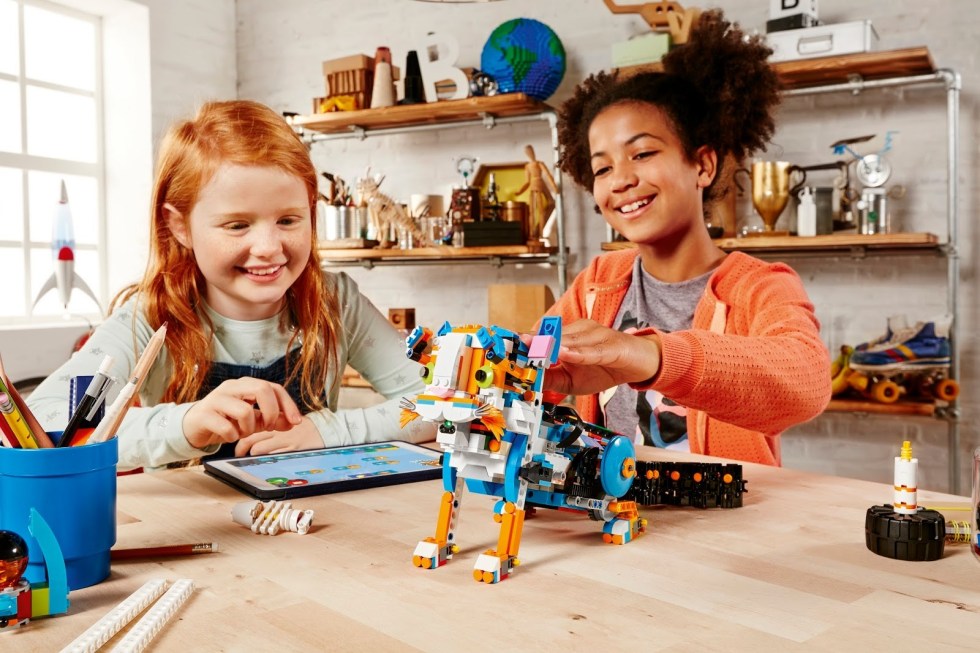
Self-assembly systems are not limited to Lego Education (Mindstorms and Wedo) but can also be MakeBlock, Jimu Robot or Edison. Working on these robotics learning systems, 45 minutes of class time is not enough and it will take about 3 hours to assemble the robot, detect any design errors and start programming. Classes can be held in 1 block or divided into 2 or 3 classes, but you will need more than one kit for each group of students to leave their robot and resume where they were the following week.
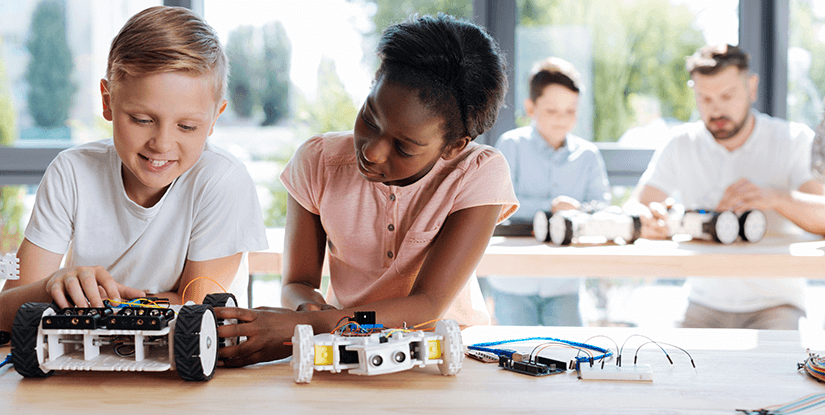
Much more advanced forms of robotics kits for older children are the so-called systems or robots built independently in STEM technology (acronym for the words Science, Technology, Engineering and Mathematics included as common fields of study). When manufacturing a robot in the STEM system, you only buy components and you will have to build everything yourself. This approach develops the skills of the student and the teacher but requires a lot of time, knowledge and psychological preparation for possible failure.
The most interesting educational robotics option is self-assembly systems, which in addition to programming skills, also provide technical skills. Participants learn to build their own robot models from a certain problem to solve and program them. These educational robots, on the other hand, are not as complicated as building the complete robot from the purchased subassemblies.
An interesting option for developing the robotics education system is to print missing parts using 3D printing. 3D printers are becoming cheaper and more accessible.
Educational robotics: age of students
The age of the participants is another very important factor that influences the choice of the educational robotics solution and the form that the courses will take. The latter often begin by understanding the logic of coding and moving through space, and then introduce educational robots with automatic coding.
The next step should simultaneously be the increasingly advanced learning of online programming on platforms such as Scratch or others and learning to build increasingly complex structures, for example in the Lego Mindstorms system.